From rural airfield to global gateway
Every shuttle ride from Malpensa to Milan follows a route shaped by aviation ambition, industrial growth, and the daily movement of people and ideas.
Table of Contents
The origins of Malpensa air travel
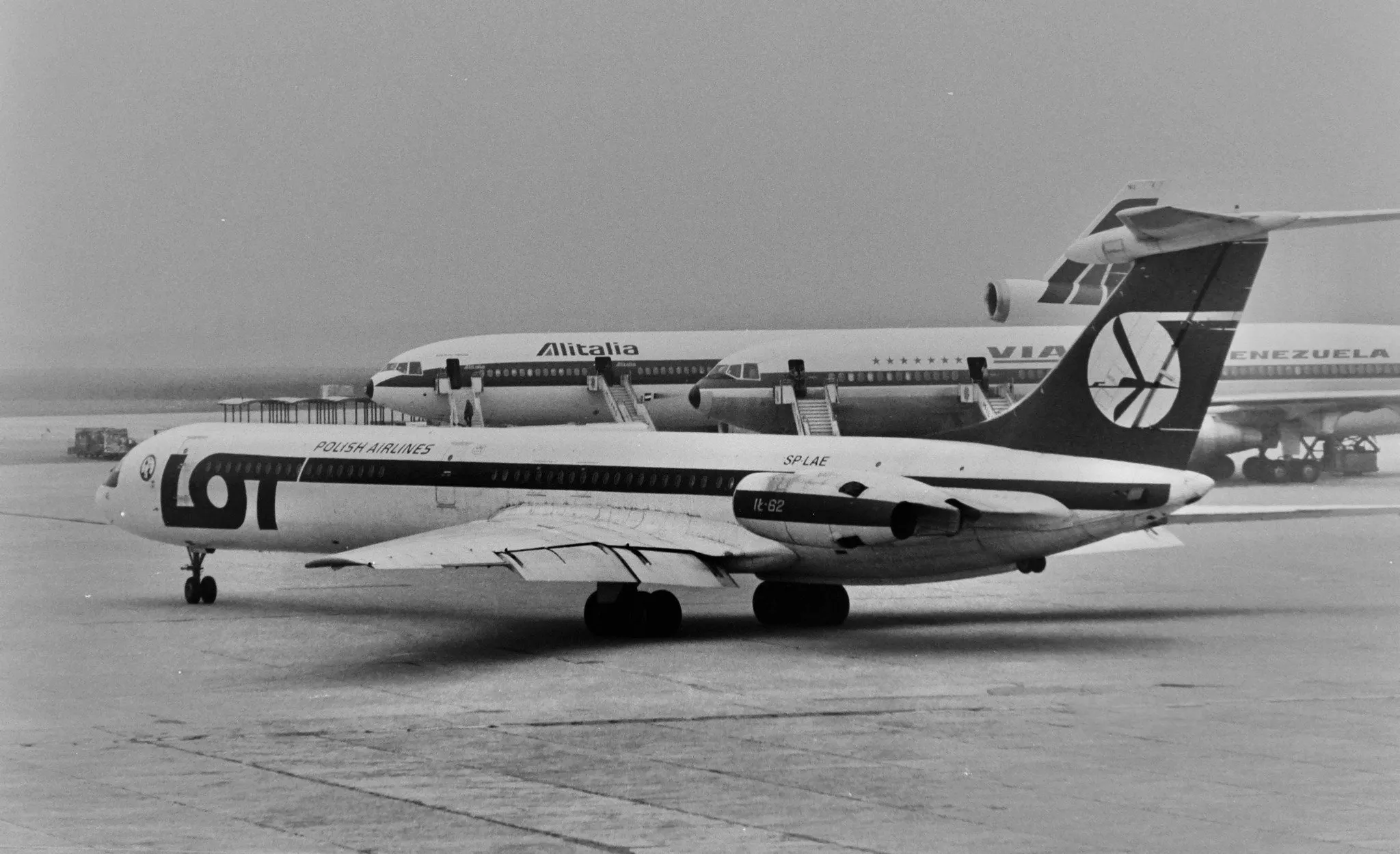
Long before modern terminal facades and digital departure boards, the land around Malpensa had a quieter identity rooted in fields, workshops, and regional roads that linked towns across Lombardy. In the early twentieth century, as aviation moved from bold experiments to structured civil transport, northern Italy began to imagine how air routes could complement rail and industry. Malpensa emerged within that wider dream: not instantly as a giant gateway, but gradually, through technical ambition, strategic geography, and repeated investments that reflected Milan's growing role in commerce, manufacturing, and international exchange.
The story of Malpensa is not a single leap but a chain of transformations. Infrastructure expanded, runways modernized, and support services matured as passenger expectations evolved from basic transport to coordinated travel ecosystems. Today, every shuttle leaving the airport carries traces of that layered history. What feels like an ordinary coach ride into the city is also the continuation of a century-long project: connecting Lombardy to Europe and the wider world in a way that is practical, scalable, and deeply tied to Milan's economic rhythm.
How Milan grew beyond its historic core
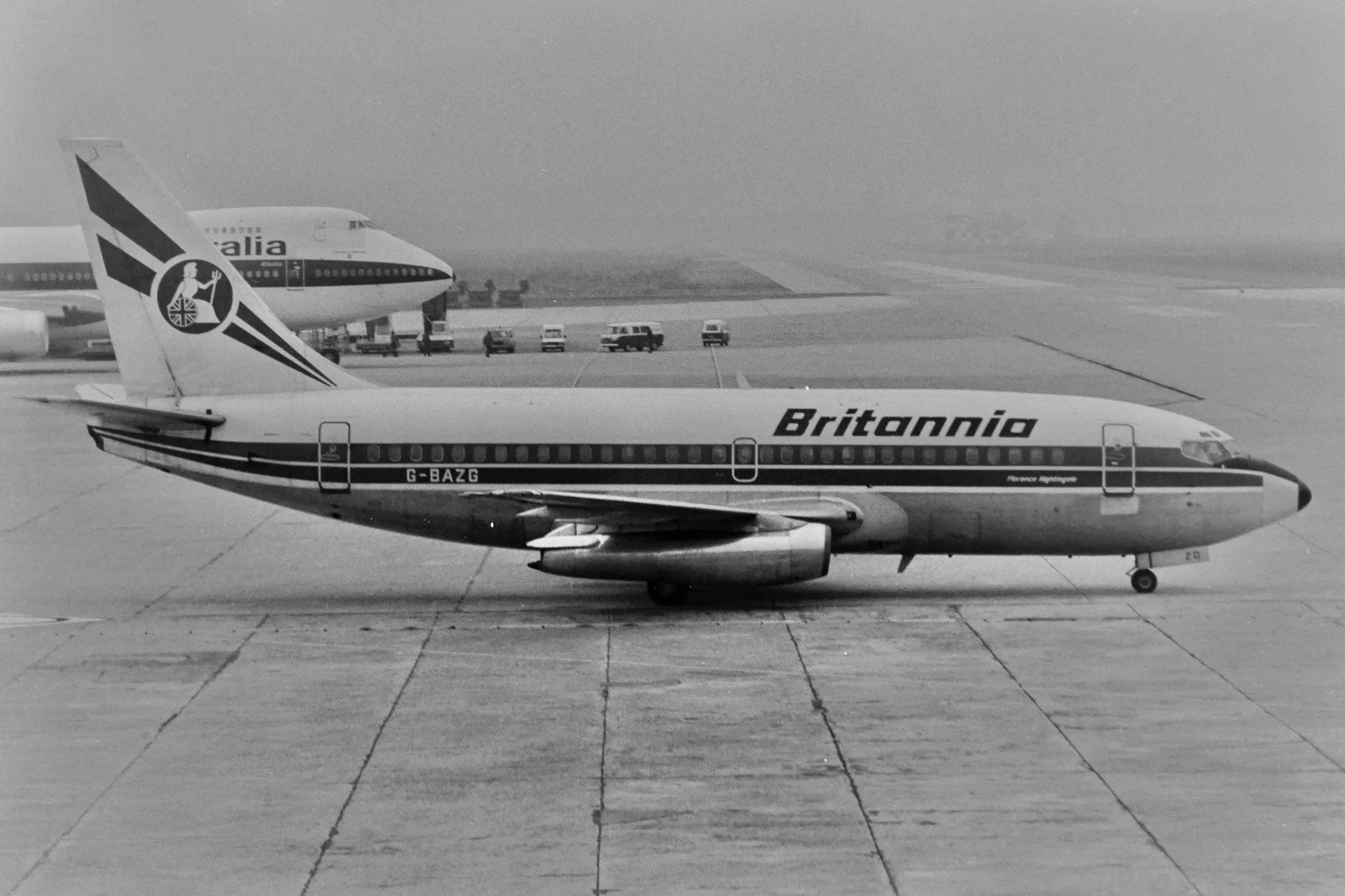
Milan has always balanced heritage and reinvention. The historic center around the Duomo remains symbolic, but the city's real strength has long been its ability to extend beyond old boundaries, absorb new industries, and redesign mobility around changing needs. As neighborhoods expanded and business districts multiplied, the pressure to build stronger airport-city links became unavoidable. Travelers no longer arrived only for short visits; many came for exhibitions, corporate events, creative industries, and long-term international projects.
This broader urban growth made dependable transfer routes essential. A modern metropolis cannot function well if airport access is fragile or confusing, and Milan learned this early through cycles of planning, congestion management, and transport innovation. The Malpensa shuttle corridor became one of the practical answers: a repeatable, understandable service pattern that helps visitors, commuters, and professionals bridge the distance between terminals and urban life without unnecessary complexity.
Industry, design, and global connections

Milan's international profile is built on more than monuments. Fashion, design, finance, engineering, publishing, and advanced manufacturing all play central roles in shaping who arrives and why. During major fairs and event weeks, airport movement spikes as buyers, creators, journalists, students, and executives converge on the city with tightly planned schedules. In those moments, transfer reliability is not a minor comfort; it becomes part of the city's competitive infrastructure.
The Malpensa shuttle network evolved alongside this global identity. Regular departures, familiar boarding hubs, and predictable travel windows help transform a potentially chaotic first hour into a manageable routine. For many passengers, that first transfer is their first impression of Milan itself. A clear, efficient ride communicates something important before they even reach the center: this is a city that values movement, time, and purposeful organization.
The airport corridor and motorway culture
The road between Malpensa and Milan is more than asphalt and signs. It is a living corridor shaped by commuting patterns, logistics flows, weather, maintenance cycles, and event-driven traffic waves. On some days the journey feels smooth and linear; on others, it reminds you how quickly metropolitan mobility can tighten. Shuttle planning therefore depends on experience as much as timetable design, combining scheduled departures with practical awareness of real-world road behavior.
Over time, operators refined this corridor knowledge into passenger-facing reliability tools: clearer boarding instructions, flexible ticketing, and communication updates when conditions shift. This operational culture matters because airport travel is rarely forgiving. A delayed departure can mean a missed check-in window, while a well-managed transfer can make an entire itinerary feel stable. In this sense, the motorway connection is not only physical infrastructure; it is also a discipline of anticipation and adaptation.
Terminals, infrastructure, and expansion
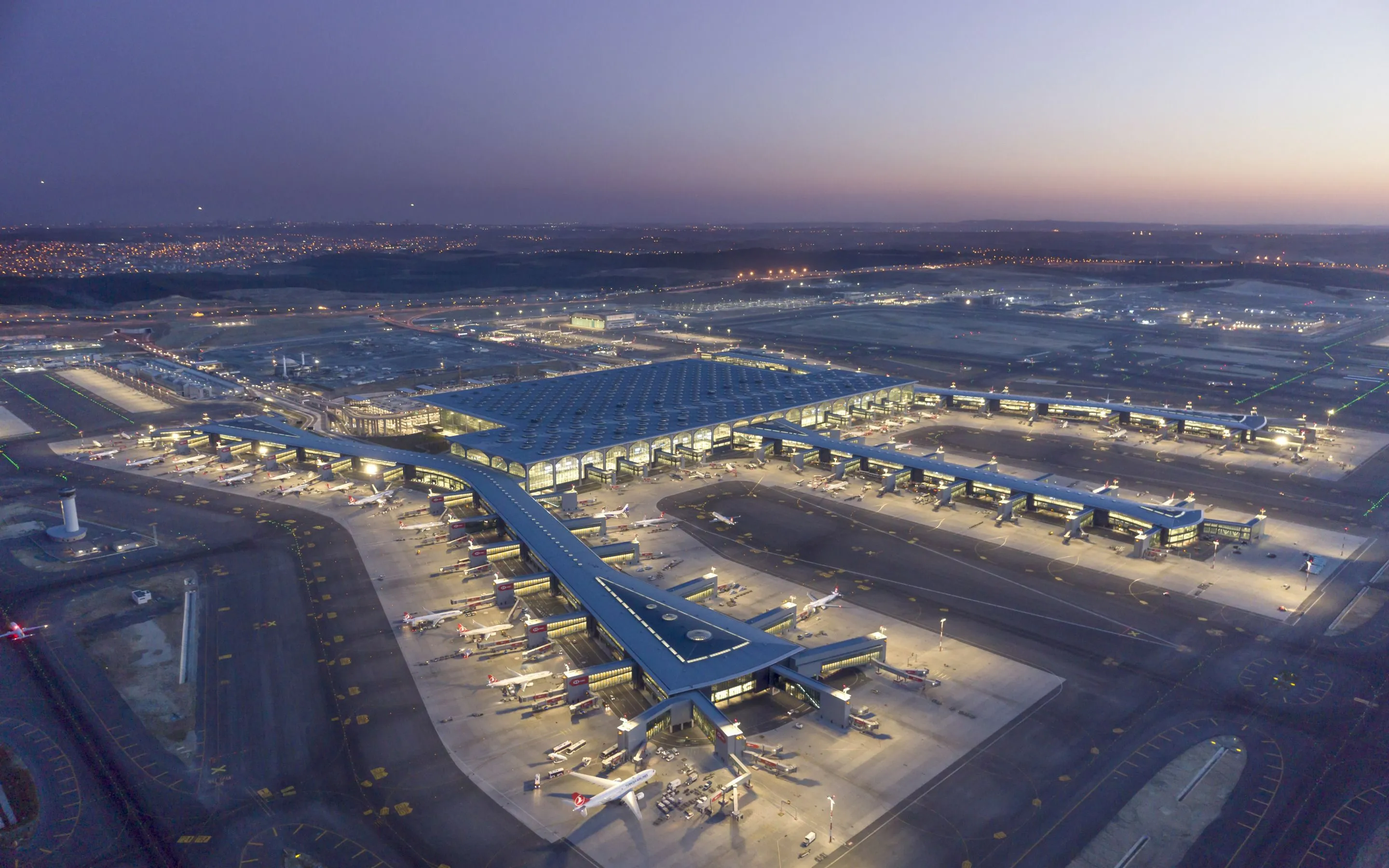
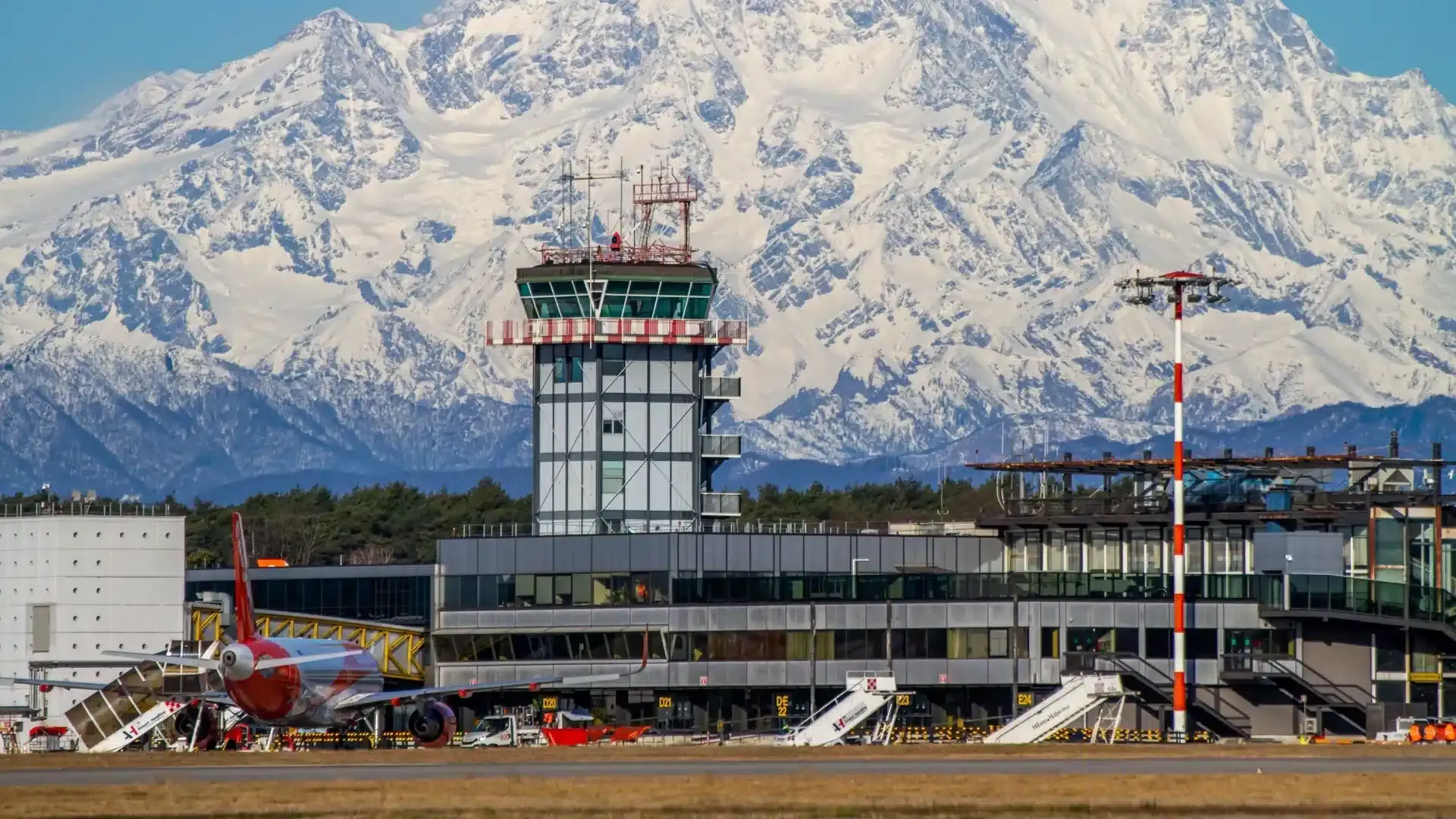
As passenger volumes increased, terminal organization became central to transfer quality. Clear wayfinding, designated bus bays, and coordinated pick-up zones help absorb high throughput during arrival peaks when hundreds of travelers seek onward transport at the same time. Malpensa's terminal ecosystem reflects this need for structure, offering multiple transfer channels while trying to keep movement intuitive for people who may be tired, jet-lagged, or unfamiliar with local language and layout.
Expansion has also meant balancing efficiency with comfort: better waiting areas, more legible signage, and improved integration between airlines, airport services, and ground transport operators. Each incremental upgrade supports the same goal, namely to reduce friction between landing and city arrival. For shuttle users, these improvements are often invisible when they work well, but they are exactly what make a transfer feel calm instead of chaotic.
Rail, coach, taxi, and transfer ecosystems
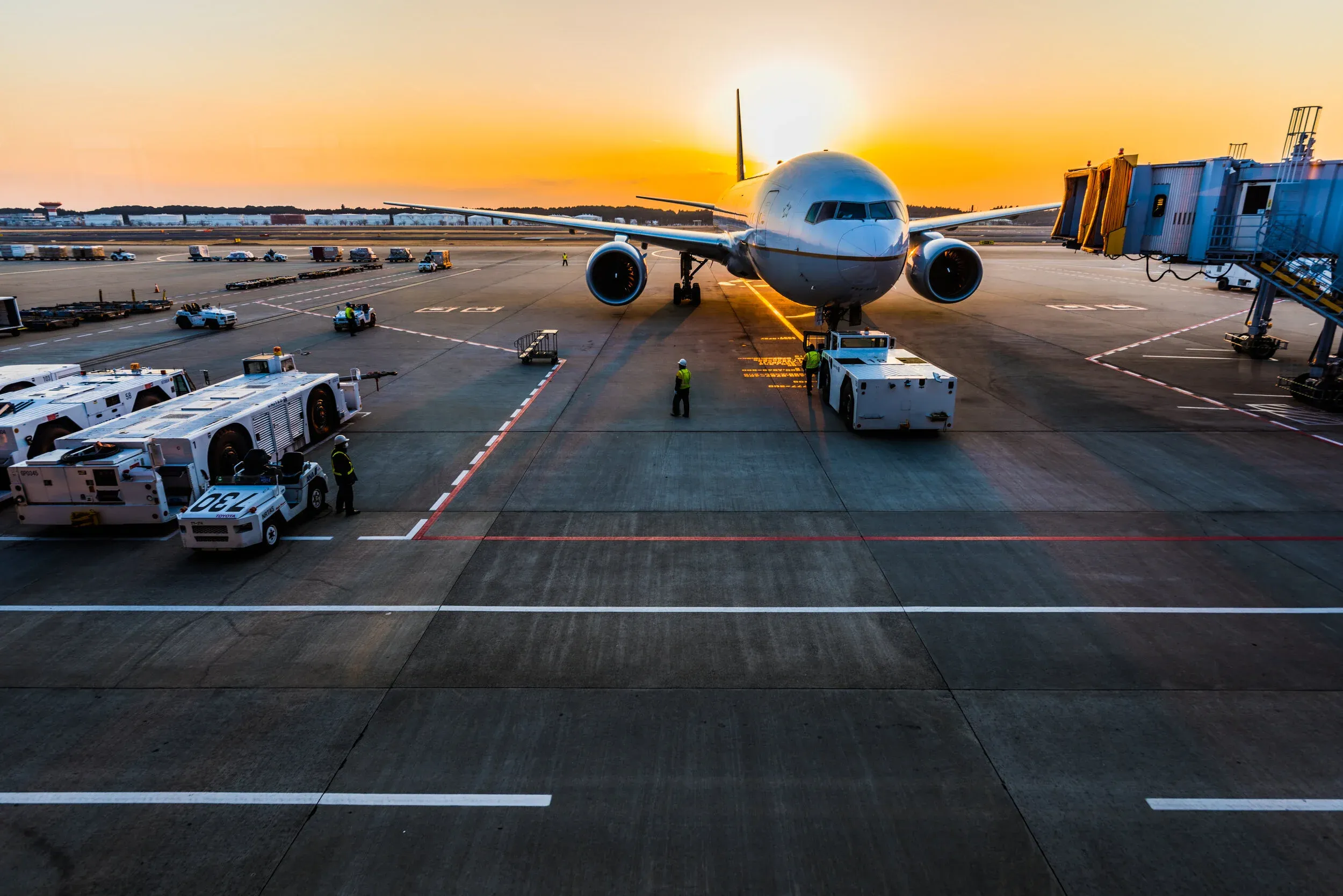
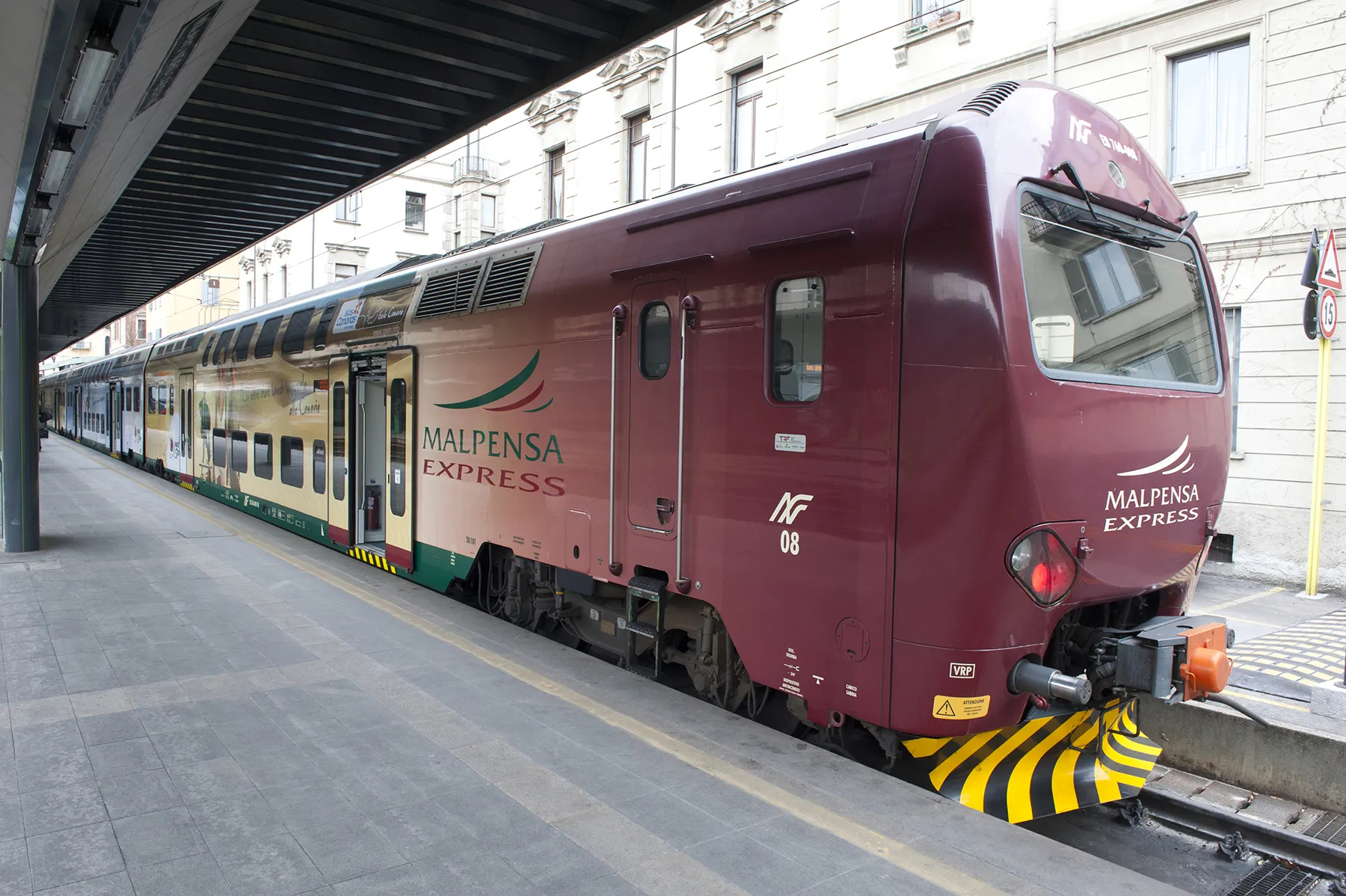
No single transfer mode fits every traveler. Rail offers speed for some routes, shuttle coaches provide cost-effective directness for many passengers, and private transfers deliver convenience when schedule control matters most. Milan's airport mobility ecosystem works because these options coexist and serve different priorities. Choosing well depends on context: arrival hour, destination district, luggage type, group size, and tolerance for transfers between lines.
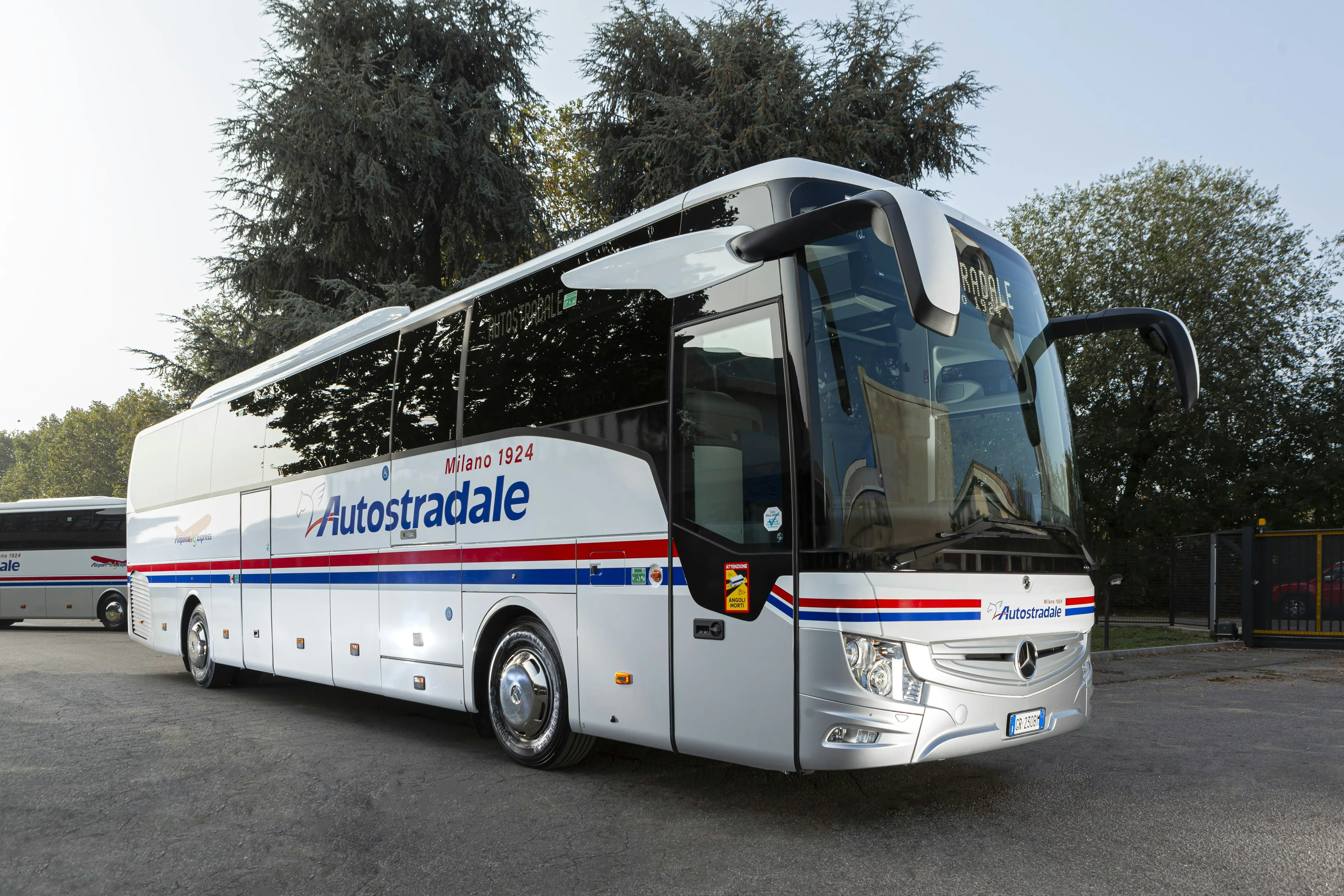
Within this mixed system, airport coaches remain a cornerstone because they offer broad accessibility at relatively stable prices. They are easy to explain, easy to book, and easy to use, especially for first-time visitors who want a low-friction path from terminal to city. Rather than replacing other modes, shuttle services complement them, acting as a practical bridge between long-haul flights and the finer-grained transport network of Milan.
Business travel and international events
Milan's event calendar creates recurring waves of airport demand. During design and fashion periods, business conventions, and international exhibitions, transfer services face compressed peaks where punctuality is under intense pressure. Travelers in these windows often carry strict agendas: check-in times, booth setup slots, client dinners, and early meetings. Missing a transfer can ripple through an entire workday.
Because of this, many repeat visitors treat transfer planning as seriously as flight selection. They reserve in advance, build timing buffers, and choose operators with clear communication policies. The Malpensa corridor has adapted to these professional habits, and its maturity shows in how predictable it feels even during high-demand weeks. That predictability is one reason Milan continues to attract global events with confidence.
Passenger flow, safety, and accessibility
Behind every smooth departure is careful flow management: queue organization, luggage loading routines, safe boarding procedures, and staff coordination under time pressure. For passengers, these elements may seem routine, but they directly shape comfort and perceived trust. Good transfer operations reduce confusion, prevent crowding at doors, and maintain order even when arrivals are delayed and volumes surge unexpectedly.
Accessibility has become a core expectation rather than an optional upgrade. Many providers now support low-step or adapted boarding, but standards still vary by fleet and route. Travelers who need assistance benefit from pre-booking and clear communication before travel day. With the right planning, the Malpensa-Milan transfer can be inclusive and reliable, allowing more people to navigate airport travel with dignity and confidence.
Tourism seasons and local travel habits
Travel demand between Malpensa and Milan follows recognizable seasonal rhythms. Summer tourism, holiday weekends, and major city events can create heavy surges, while shoulder periods may offer calmer journeys and shorter waits. Local commuting habits also matter, especially around weekday peaks when road conditions can shift quickly and small delays cascade through the corridor.
Experienced travelers adapt to these rhythms by choosing strategic departure windows and leaving extra margin before onward commitments. This is not pessimism; it is practical wisdom. In a dynamic metropolitan environment, resilient plans outperform optimistic ones. The most satisfying transfer experiences usually come from realistic timing, advance booking, and a willingness to treat airport mobility as part of the trip, not an afterthought.
Tickets, fares, and practical planning
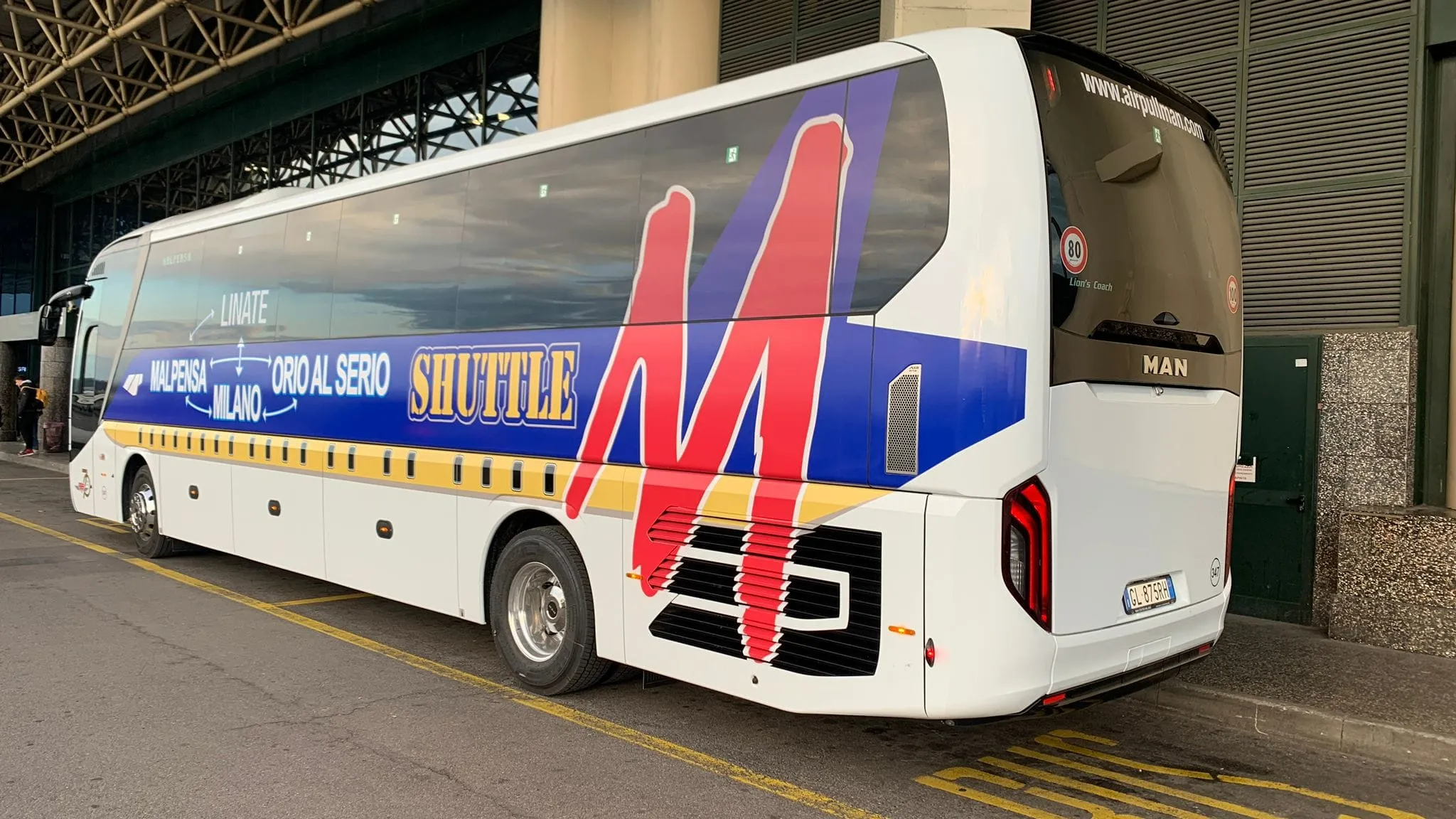
Transfer products differ in ways that are easy to overlook when you are rushing to book. Price is important, but so are flexibility windows, baggage allowances, terminal coverage, support channels, and refund conditions. A slightly higher fare can be better value if it includes change options or clearer recovery support when flights are delayed. Smart booking is less about finding the absolute cheapest number and more about matching the ticket to real travel risk.
Practical planning starts with a few simple checks: where exactly you board, where exactly you arrive, how long the route typically takes, and what happens if your schedule shifts. Once these basics are clear, the rest becomes easier. You can structure hotel check-in, dinner reservations, and onward train links with fewer assumptions. A well-chosen transfer ticket quietly protects your day in ways you only notice when things do not go perfectly.
Sustainability and smarter airport mobility
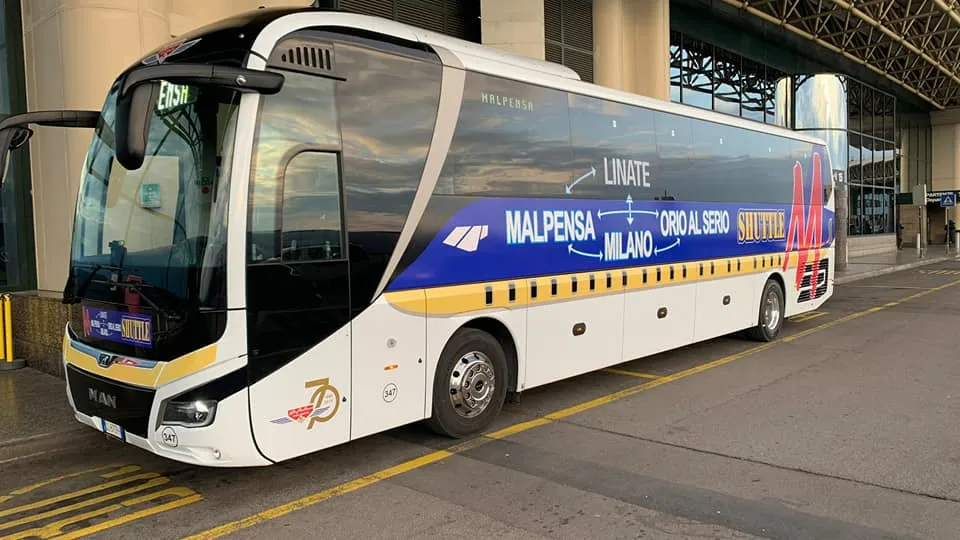
As cities rethink transport impact, shared airport mobility has gained renewed relevance. One full coach can replace many individual car trips, helping reduce congestion pressure and emissions per passenger-kilometer. While no single mode solves every environmental challenge, better use of collective transfer options can make airport access more resource-efficient without sacrificing convenience for most travelers.
Sustainability in this corridor is also about operational intelligence: cleaner fleets, better dispatching, digital ticketing, and demand-aware scheduling that limits empty capacity. Travelers contribute too by selecting options that align with both practical needs and lower-impact movement patterns. In this way, everyday transfer choices become part of a broader shift toward smarter urban-airport integration.
Beyond Centrale: where travelers continue
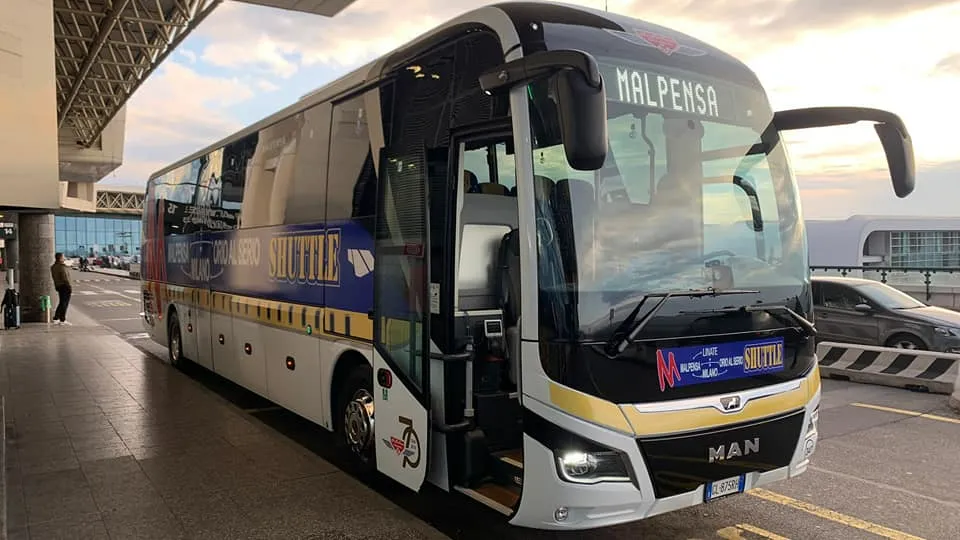
For many passengers, arriving at Milano Centrale is not the end but the hinge point of the journey. From there, people disperse toward hotels, apartments, trade fair venues, university campuses, and neighboring cities connected by regional and high-speed rail. The quality of this transition often determines whether the first day in Milan feels smooth or fragmented.
A good transfer plan therefore includes an onward micro-plan: metro line selection, taxi stand location, walking distance with luggage, and realistic transfer time between modes. These details sound small, yet they shape energy and mood after travel. The best itineraries respect this reality and treat airport arrival as a sequence, not a single event.
Why this transfer route tells Milan's story
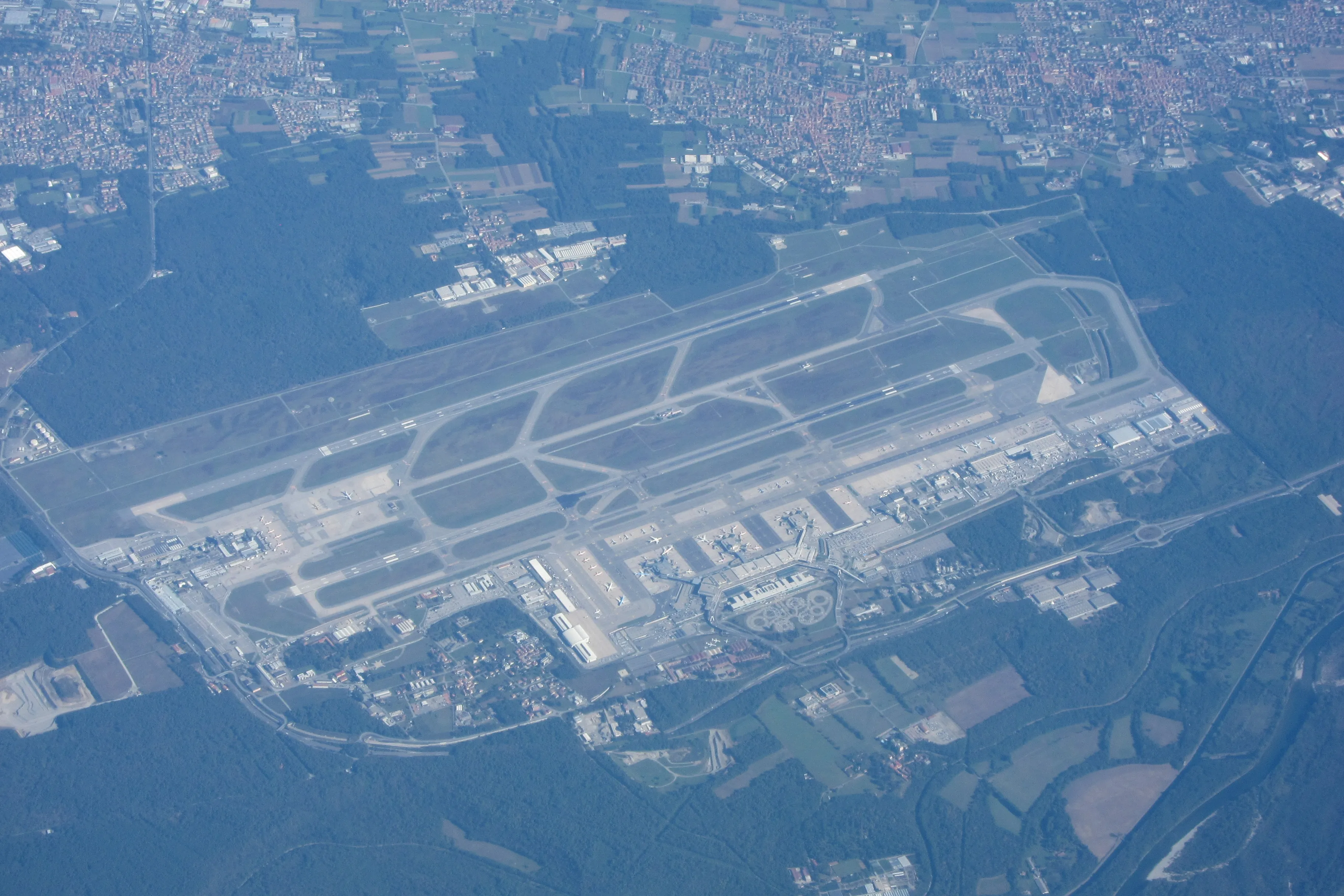
At first glance, a Malpensa shuttle ride seems purely functional. In reality, it reflects many of Milan's defining traits: industrial pragmatism, international orientation, and constant adaptation to global movement. You leave an airport built for long-distance connection, enter a road system tuned by daily pressure, and arrive in a city where business, culture, and innovation intersect at high speed.
That is why this route feels meaningful beyond logistics. It is a compact narrative of how modern Milan operates: grounded in infrastructure, sharpened by experience, and always looking outward. By the time you step off at your stop, you have already encountered the city's character in motion. The transfer is not just transport; it is your first chapter in Milan.
Table of Contents
The origins of Malpensa air travel
Long before modern terminal facades and digital departure boards, the land around Malpensa had a quieter identity rooted in fields, workshops, and regional roads that linked towns across Lombardy. In the early twentieth century, as aviation moved from bold experiments to structured civil transport, northern Italy began to imagine how air routes could complement rail and industry. Malpensa emerged within that wider dream: not instantly as a giant gateway, but gradually, through technical ambition, strategic geography, and repeated investments that reflected Milan's growing role in commerce, manufacturing, and international exchange.
The story of Malpensa is not a single leap but a chain of transformations. Infrastructure expanded, runways modernized, and support services matured as passenger expectations evolved from basic transport to coordinated travel ecosystems. Today, every shuttle leaving the airport carries traces of that layered history. What feels like an ordinary coach ride into the city is also the continuation of a century-long project: connecting Lombardy to Europe and the wider world in a way that is practical, scalable, and deeply tied to Milan's economic rhythm.
How Milan grew beyond its historic core
Milan has always balanced heritage and reinvention. The historic center around the Duomo remains symbolic, but the city's real strength has long been its ability to extend beyond old boundaries, absorb new industries, and redesign mobility around changing needs. As neighborhoods expanded and business districts multiplied, the pressure to build stronger airport-city links became unavoidable. Travelers no longer arrived only for short visits; many came for exhibitions, corporate events, creative industries, and long-term international projects.
This broader urban growth made dependable transfer routes essential. A modern metropolis cannot function well if airport access is fragile or confusing, and Milan learned this early through cycles of planning, congestion management, and transport innovation. The Malpensa shuttle corridor became one of the practical answers: a repeatable, understandable service pattern that helps visitors, commuters, and professionals bridge the distance between terminals and urban life without unnecessary complexity.
Industry, design, and global connections
Milan's international profile is built on more than monuments. Fashion, design, finance, engineering, publishing, and advanced manufacturing all play central roles in shaping who arrives and why. During major fairs and event weeks, airport movement spikes as buyers, creators, journalists, students, and executives converge on the city with tightly planned schedules. In those moments, transfer reliability is not a minor comfort; it becomes part of the city's competitive infrastructure.
The Malpensa shuttle network evolved alongside this global identity. Regular departures, familiar boarding hubs, and predictable travel windows help transform a potentially chaotic first hour into a manageable routine. For many passengers, that first transfer is their first impression of Milan itself. A clear, efficient ride communicates something important before they even reach the center: this is a city that values movement, time, and purposeful organization.
The airport corridor and motorway culture
The road between Malpensa and Milan is more than asphalt and signs. It is a living corridor shaped by commuting patterns, logistics flows, weather, maintenance cycles, and event-driven traffic waves. On some days the journey feels smooth and linear; on others, it reminds you how quickly metropolitan mobility can tighten. Shuttle planning therefore depends on experience as much as timetable design, combining scheduled departures with practical awareness of real-world road behavior.
Over time, operators refined this corridor knowledge into passenger-facing reliability tools: clearer boarding instructions, flexible ticketing, and communication updates when conditions shift. This operational culture matters because airport travel is rarely forgiving. A delayed departure can mean a missed check-in window, while a well-managed transfer can make an entire itinerary feel stable. In this sense, the motorway connection is not only physical infrastructure; it is also a discipline of anticipation and adaptation.
Terminals, infrastructure, and expansion
As passenger volumes increased, terminal organization became central to transfer quality. Clear wayfinding, designated bus bays, and coordinated pick-up zones help absorb high throughput during arrival peaks when hundreds of travelers seek onward transport at the same time. Malpensa's terminal ecosystem reflects this need for structure, offering multiple transfer channels while trying to keep movement intuitive for people who may be tired, jet-lagged, or unfamiliar with local language and layout.
Expansion has also meant balancing efficiency with comfort: better waiting areas, more legible signage, and improved integration between airlines, airport services, and ground transport operators. Each incremental upgrade supports the same goal, namely to reduce friction between landing and city arrival. For shuttle users, these improvements are often invisible when they work well, but they are exactly what make a transfer feel calm instead of chaotic.
Rail, coach, taxi, and transfer ecosystems
No single transfer mode fits every traveler. Rail offers speed for some routes, shuttle coaches provide cost-effective directness for many passengers, and private transfers deliver convenience when schedule control matters most. Milan's airport mobility ecosystem works because these options coexist and serve different priorities. Choosing well depends on context: arrival hour, destination district, luggage type, group size, and tolerance for transfers between lines.
Within this mixed system, airport coaches remain a cornerstone because they offer broad accessibility at relatively stable prices. They are easy to explain, easy to book, and easy to use, especially for first-time visitors who want a low-friction path from terminal to city. Rather than replacing other modes, shuttle services complement them, acting as a practical bridge between long-haul flights and the finer-grained transport network of Milan.
Business travel and international events
Milan's event calendar creates recurring waves of airport demand. During design and fashion periods, business conventions, and international exhibitions, transfer services face compressed peaks where punctuality is under intense pressure. Travelers in these windows often carry strict agendas: check-in times, booth setup slots, client dinners, and early meetings. Missing a transfer can ripple through an entire workday.
Because of this, many repeat visitors treat transfer planning as seriously as flight selection. They reserve in advance, build timing buffers, and choose operators with clear communication policies. The Malpensa corridor has adapted to these professional habits, and its maturity shows in how predictable it feels even during high-demand weeks. That predictability is one reason Milan continues to attract global events with confidence.
Passenger flow, safety, and accessibility
Behind every smooth departure is careful flow management: queue organization, luggage loading routines, safe boarding procedures, and staff coordination under time pressure. For passengers, these elements may seem routine, but they directly shape comfort and perceived trust. Good transfer operations reduce confusion, prevent crowding at doors, and maintain order even when arrivals are delayed and volumes surge unexpectedly.
Accessibility has become a core expectation rather than an optional upgrade. Many providers now support low-step or adapted boarding, but standards still vary by fleet and route. Travelers who need assistance benefit from pre-booking and clear communication before travel day. With the right planning, the Malpensa-Milan transfer can be inclusive and reliable, allowing more people to navigate airport travel with dignity and confidence.
Tourism seasons and local travel habits
Travel demand between Malpensa and Milan follows recognizable seasonal rhythms. Summer tourism, holiday weekends, and major city events can create heavy surges, while shoulder periods may offer calmer journeys and shorter waits. Local commuting habits also matter, especially around weekday peaks when road conditions can shift quickly and small delays cascade through the corridor.
Experienced travelers adapt to these rhythms by choosing strategic departure windows and leaving extra margin before onward commitments. This is not pessimism; it is practical wisdom. In a dynamic metropolitan environment, resilient plans outperform optimistic ones. The most satisfying transfer experiences usually come from realistic timing, advance booking, and a willingness to treat airport mobility as part of the trip, not an afterthought.
Tickets, fares, and practical planning
Transfer products differ in ways that are easy to overlook when you are rushing to book. Price is important, but so are flexibility windows, baggage allowances, terminal coverage, support channels, and refund conditions. A slightly higher fare can be better value if it includes change options or clearer recovery support when flights are delayed. Smart booking is less about finding the absolute cheapest number and more about matching the ticket to real travel risk.
Practical planning starts with a few simple checks: where exactly you board, where exactly you arrive, how long the route typically takes, and what happens if your schedule shifts. Once these basics are clear, the rest becomes easier. You can structure hotel check-in, dinner reservations, and onward train links with fewer assumptions. A well-chosen transfer ticket quietly protects your day in ways you only notice when things do not go perfectly.
Sustainability and smarter airport mobility
As cities rethink transport impact, shared airport mobility has gained renewed relevance. One full coach can replace many individual car trips, helping reduce congestion pressure and emissions per passenger-kilometer. While no single mode solves every environmental challenge, better use of collective transfer options can make airport access more resource-efficient without sacrificing convenience for most travelers.
Sustainability in this corridor is also about operational intelligence: cleaner fleets, better dispatching, digital ticketing, and demand-aware scheduling that limits empty capacity. Travelers contribute too by selecting options that align with both practical needs and lower-impact movement patterns. In this way, everyday transfer choices become part of a broader shift toward smarter urban-airport integration.
Beyond Centrale: where travelers continue
For many passengers, arriving at Milano Centrale is not the end but the hinge point of the journey. From there, people disperse toward hotels, apartments, trade fair venues, university campuses, and neighboring cities connected by regional and high-speed rail. The quality of this transition often determines whether the first day in Milan feels smooth or fragmented.
A good transfer plan therefore includes an onward micro-plan: metro line selection, taxi stand location, walking distance with luggage, and realistic transfer time between modes. These details sound small, yet they shape energy and mood after travel. The best itineraries respect this reality and treat airport arrival as a sequence, not a single event.
Why this transfer route tells Milan's story
At first glance, a Malpensa shuttle ride seems purely functional. In reality, it reflects many of Milan's defining traits: industrial pragmatism, international orientation, and constant adaptation to global movement. You leave an airport built for long-distance connection, enter a road system tuned by daily pressure, and arrive in a city where business, culture, and innovation intersect at high speed.
That is why this route feels meaningful beyond logistics. It is a compact narrative of how modern Milan operates: grounded in infrastructure, sharpened by experience, and always looking outward. By the time you step off at your stop, you have already encountered the city's character in motion. The transfer is not just transport; it is your first chapter in Milan.